


How to Handle Emergencies with Confidence
- Jul 29, 2025
- 3 min read
Emergencies can happen at any time and often without warning. Whether it’s a minor injury at home or a more serious situation in public, knowing how to respond effectively can make all the difference. Handling emergencies with confidence requires preparation, knowledge, and a calm mindset. This article will guide you through practical steps to improve your emergency response skills and empower you to act decisively when it matters most.
Understanding Emergency Response: The Key to Staying Calm
When an emergency occurs, the first reaction for many is panic. However, staying calm is crucial to managing the situation effectively. Emergency response involves assessing the scene, ensuring safety, and providing appropriate help until professional assistance arrives.
Here are some essential tips to improve your emergency response:
Stay calm and breathe deeply: This helps clear your mind and focus on the task.
Assess the environment: Check for any dangers like fire, electrical hazards, or traffic before approaching.
Call for help immediately: Dial emergency services and provide clear information about the situation.
Prioritise safety: Protect yourself and others from further harm.
Provide assistance within your ability: Offer help such as basic first aid or comfort to the injured.
By practising these steps regularly, you can build confidence and reduce hesitation during real emergencies.

Preparing Yourself Mentally and Physically for Emergencies
Preparation is the foundation of effective emergency response. Mental readiness means being aware that emergencies can happen and having a plan in place. Physical readiness involves having the right skills and tools to act.
Mental Preparation
Visualise scenarios: Imagine different emergencies and how you would respond.
Stay informed: Learn about common emergencies in your area and the best responses.
Keep emergency contacts handy: Have phone numbers of local emergency services, family, and neighbours saved and accessible.
Physical Preparation
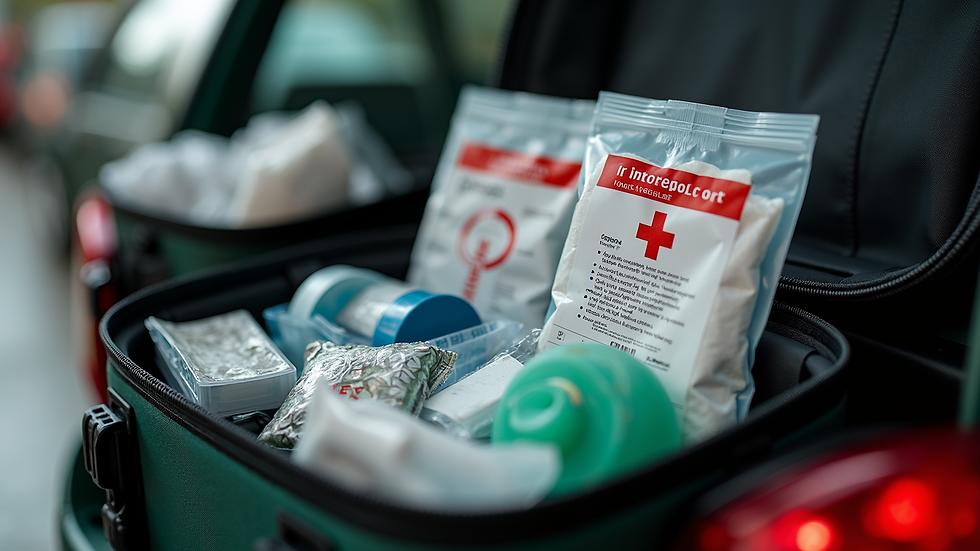
Create an emergency kit: Include items like a first aid kit, flashlight, whistle, bottled water, and basic tools.
Learn essential skills: Knowing how to perform CPR, stop bleeding, or treat burns can save lives.
Practice drills: Conduct regular emergency drills at home or work to familiarise yourself with procedures.
Being prepared reduces fear and increases your ability to act quickly and effectively.
What is the first aid training?
First aid training is a vital component of emergency preparedness. It equips individuals with the knowledge and skills to provide immediate care to someone who is injured or ill before professional help arrives. This training covers a range of topics including CPR, wound care, choking relief, and managing shock.
Taking a certified first aid training course can boost your confidence and competence in emergencies. The training often includes practical sessions where you learn how to:
Assess the casualty’s condition
Perform life-saving techniques like CPR
Manage bleeding and fractures
Handle common emergencies such as burns, poisoning, and allergic reactions
Having this training means you are better prepared to make a positive difference in critical moments.

Practical Steps to Take During an Emergency
When faced with an emergency, your actions can save lives. Here is a step-by-step guide to help you respond effectively:
Ensure your safety first: Do not put yourself in danger.
Check the scene: Look for hazards and the number of people involved.
Call emergency services: Provide clear details about the location, nature of the emergency, and number of casualties.
Provide immediate care: Use your first aid knowledge to assist the injured.
Keep the casualty calm and comfortable: Reassure them and prevent unnecessary movement.
Monitor the casualty: Watch for changes in their condition until help arrives.
Follow instructions from emergency operators: They can guide you through additional steps.
Remember, your role is to stabilise the situation, not to replace professional medical care.
Building Confidence Through Regular Practice and Education
Confidence in emergency response grows with experience and knowledge. Here are ways to build and maintain your skills:
Attend refresher courses: Skills can fade over time, so regular training is important.
Join community groups: Volunteer with local emergency response teams or organisations.
Stay updated: Follow the latest guidelines and techniques in emergency care.
Practice scenarios: Role-play different emergencies with family or colleagues.
Reflect on experiences: After an emergency, review what went well and what could improve.
By committing to continuous learning and practice, you will feel more prepared and capable when emergencies arise.
Handling emergencies with confidence is about preparation, knowledge, and calm action. By understanding emergency response, preparing yourself mentally and physically, gaining first aid skills, and practising regularly, you can make a significant difference in critical situations. Remember, your ability to respond effectively can save lives and provide comfort when it is needed most.


Comments